Industry Insights

This is a space for intellectual rigor.
Industry Insights is where RENOVANT® moves beyond the surface of sustainability to examine the structural forces shaping the modern urban metabolism. Through a lens of relational accountability and bioregional intelligence, we explore the assumptions underlying growth-dependent development and the need for approaches that operate within ecological limits.
Our approach simplifies complexity, helping practitioners move beyond isolated green initiatives toward integrated, regenerative models that support long-term environmental, social, and economic well-being.
From deep dives into ESG investing, corporate governance, infrastructure, and the built environment to reflections on ancestral ecological knowledge and Indigenous data sovereignty, these insights are intended for those willing to question prevailing assumptions and engage with the systems that shape our collective future.
RENOVANT®
Be a NET POSITIVE Force in the world.
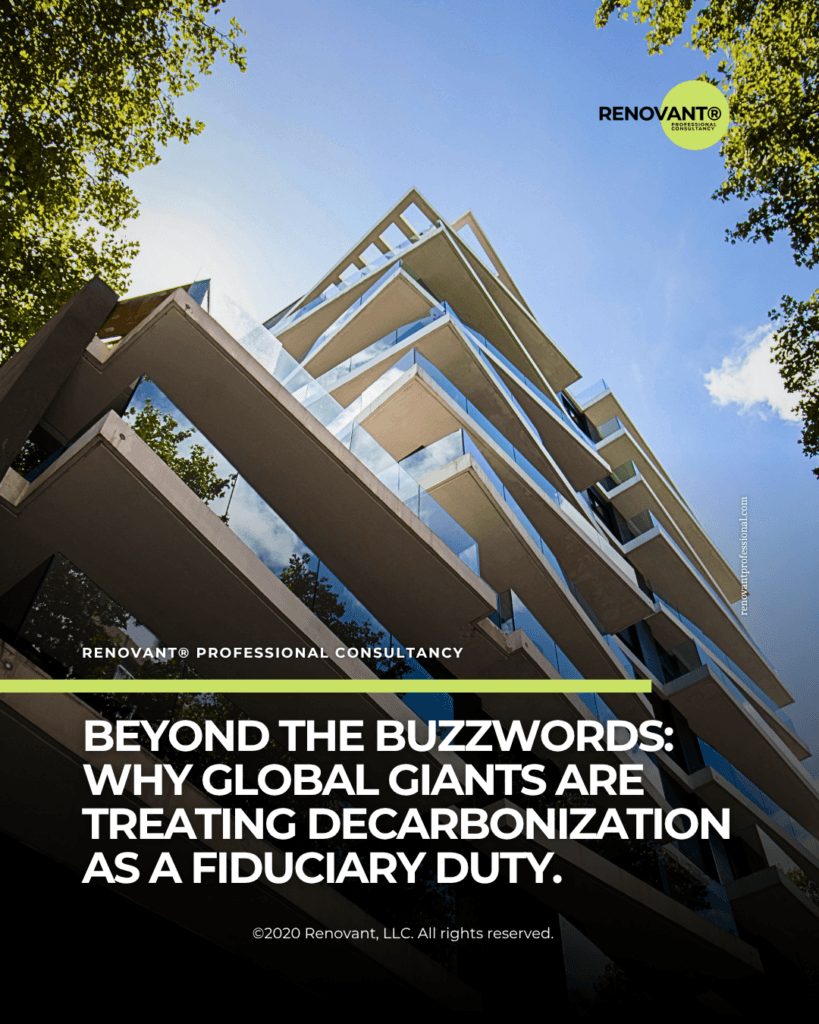
Beyond the buzzwords: Why global giants are treating decarbonization as a fiduciary duty.
Author: RENOVANT® Professional Consultancy
Date of Publication: April 21. 2026.
Publication Title: Linkedin
When a giant like Amazon signs nine new Power Purchase Agreements (PPAs) in Australia totaling nearly 1GW of capacity it isn’t a PR stunt. It’s a masterclass in operational adaptation and evolution.
While some retreat from ESG labels as “political,” the world’s biggest players are doubling down. Why? Because they know that de-risking a portfolio to preserve long-term value isn’t “woke”- it’s Stakeholder Capitalism.
The “Trickle Down” to Residential Construction:
As a Director of Regenerative Strategies, I see this corporate logic shifting our industry in real-time.
Moving toward a net-positive agenda is the only way to:
🔸 Cut Decarbonization Costs: Fixing operational expenses now before the grid becomes even more unpredictable.
🔸 Mitigate Carbon Taxes & Water Stress: These are no longer “theoretical risks.” They are upcoming line items. Building regenerative homes today is the only way to avoid “stranded assets” tomorrow.
🔸 Preserve Asset Value: Integrating “solar-plus-storage” and regenerative design ensures a project remains marketable in a net-zero economy.
The Bottom Line:
This isn’t greenwashing; it’s data-backed strategy.
At the Director of Regenerative Strategy level, our job is to ensure every project is evolved enough to survive the next decades of climate and financial shifts.
Sustainability is no longer a moral choice; it’s a fiscal one.
If you aren’t planning for resource scarcity now, you aren’t managing a project- you’re managing a liability.
Is your residential strategy built for 2026, or are you still relying on 20th-century energy models?
The Editorial Calendar 2024-2027
Measured progress or measured impact? the blindspots of eSG orthodoxy
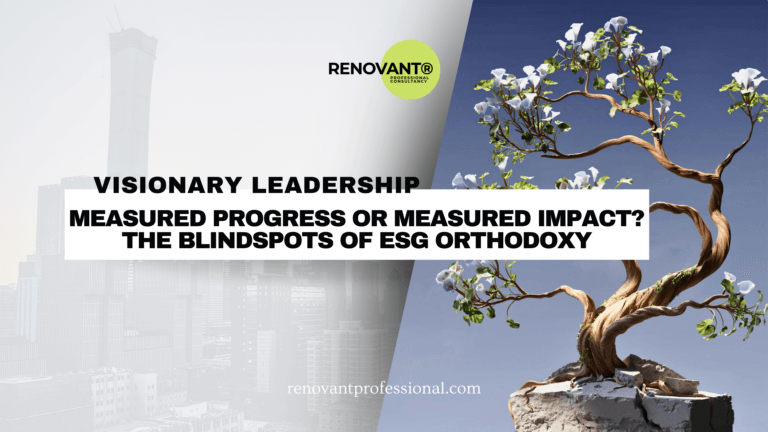
In today’s rapidly evolving sustainability landscape, “measured progress” has become the gold standard by which ESG practitioners are judged. Frameworks, metrics, and certifications dominate conversations, creating an illusion of control and certainty. But beneath this veneer lies a critical blind spot: an overemphasis on quantifiable outputs often obscures the deeper, systemic impact, or lack thereof, that ESG initiatives truly deliver.
Blackrock's ESG As The Standard but Regenerative ESG as the future.
When your assets become your liabilities: the hidden cost of short-term shareholder demands
The Illusion of innovation: how pR, ESG, and marketing language are keeping you in the same loop
The intersection of aI, ethics, and sustainability: can technology truly drive a green future?
Beyond free trade: analyzing the USMCA's Environmental flaws and human costs
This is what cultural extraction looks like in 2025
The power of the consumer
The essence of true leadership
ESG: align what you do with who you are
what is behind the skepticism of ESG?










Beyond Compliance Toward Regeneration Podcast
Where Ancestral Ethics Meet CleanTech & Climate Infrastructure